These RISK FACTORS Are Destroying Your BRAIN! | Dr. Daniel Amen & Lewis Howes

Topics covered
Popular Clips


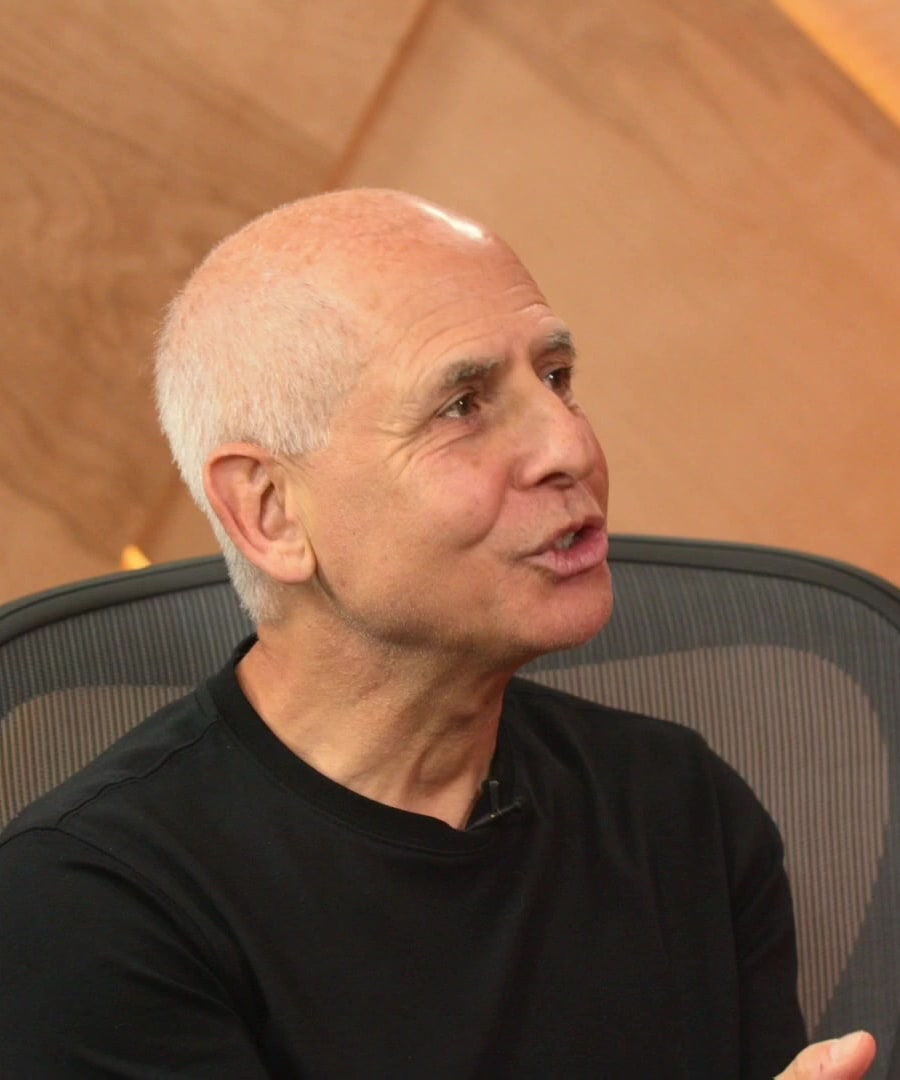


Episode Highlights
Psychiatric Challenges
highlights the limitations of current psychiatric practices, emphasizing the need to shift from labeling conditions as "mental illnesses" to focusing on brain health. He argues that psychiatric diagnoses often lack biological data, relying instead on symptom clusters, a practice unchanged since the 19th century 1. Dr. Amen shares a compelling story of a patient misdiagnosed with schizophrenia, later found to have Lyme disease, illustrating the importance of considering infections in psychiatric evaluations 2.
Psychiatric problems are not mental illnesses, they're brain illnesses.
---
He believes that addressing the physical functioning of the brain can significantly improve mental health outcomes.
Brain-Mental Health Link
The connection between brain health and mental health is crucial, according to Dr. Amen. He explains that when the brain is compromised, whether by injury, disease, or environmental factors, it increases vulnerability to mental health issues like anxiety and depression 3. Dr. Amen stresses that improving brain health can enhance mental health treatment effectiveness, suggesting that traditional psychotherapy alone may not suffice if the brain's physical state is neglected 4.
If your brain's not right, you're not right.
---
This perspective advocates for a holistic approach, integrating brain health into mental health care.
Brain Health Practices
Dr. Amen provides practical strategies for integrating brain health into daily life, emphasizing the importance of practices that benefit both immediate and long-term well-being. He advocates for diaphragmatic breathing and meditation, such as Kirtan Kriya, to enhance brain function and emotional regulation 5. Nutrition, exercise, and continuous learning are also vital components of his "bright minds" model, which aims to maintain and improve brain health 6.
You want to do things that help you feel good now and later versus now, but not later.
---
These practices are designed to prevent mental illnesses and promote overall brain health.
Related Episodes


FIX YOUR DIET To Heal The Body & Mind TODAY | Dr. Uma Naidoo & Lewis Howes
Answers 383 questions

Neuroscientists REVEAL How To HEAL Your MIND | Lewis Howes
Answers 383 questions

How To STOP DESTROYING Your Health & Decreasing Your LIFESPAN | Lewis Howes
Answers 383 questions
The 9 SCIENCE BASED Ways To Heal Your Mind & Keep It HEALTHY! | Lewis Howes
Answers 383 questions
Dr Joe Dispenza REWIRE Your THOUGHTS and Brain To HEAL Today!
Answers 383 questions
"These HEALTHY Foods Will COMPLETELY HEAL YOUR BODY!" | Mark Hyman & Lewis Howes
Answers 383 questionsThe 5 Signs You're NOT HEALTHY In Life & How To FIX IT! | Mark Hyman & Lewis Howes
Answers 383 questions