Published Nov 11, 2022

How To LET GO, MOVE ON & HEAL From A Toxic Relationship! | Dr. Ramani & Lewis Howes

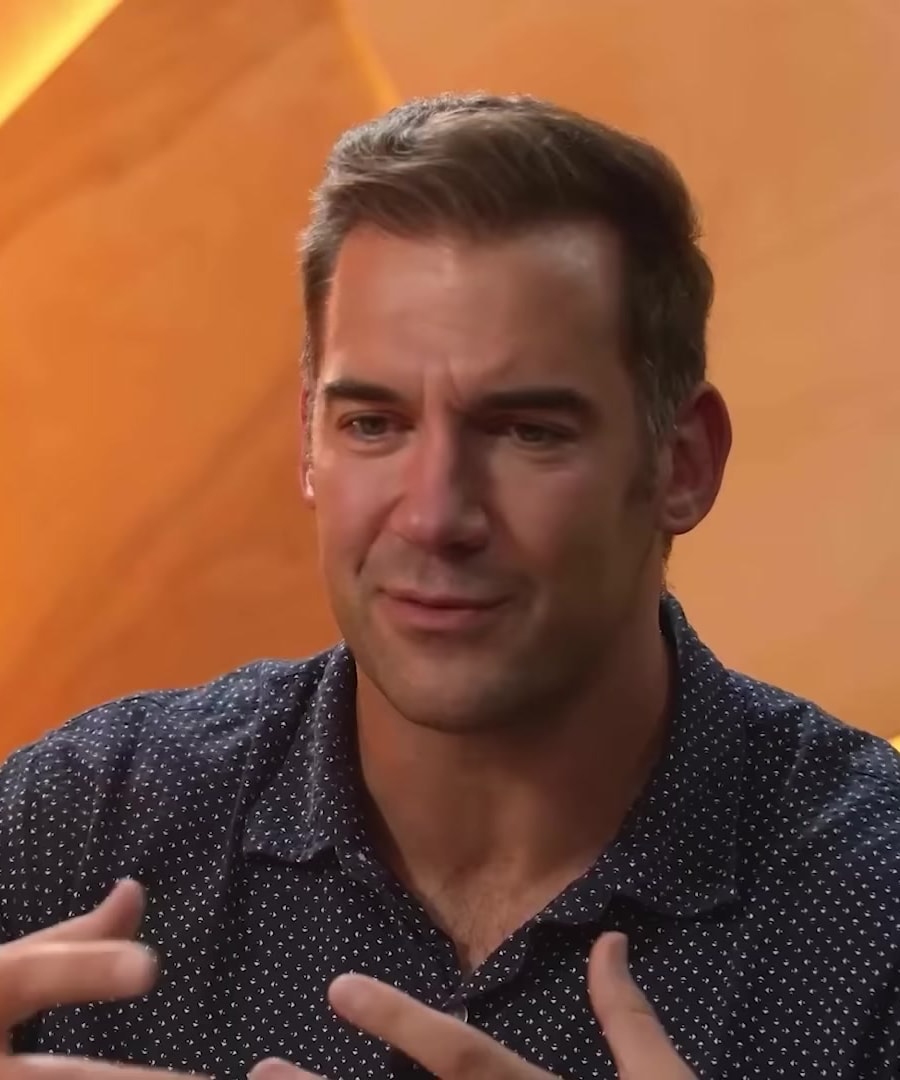
Join Dr. Ramani Durvasula and Lewis Howes as they delve into the complexities of toxic relationships, uncovering the traits of narcissism and offering powerful strategies for healing and personal growth. Discover how to identify red flags, navigate emotional triggers, and foster healthier, more authentic connections by embracing vulnerability and clear communication.
Episode Highlights
The School of Greatness logo

Popular Clips

Episode Highlights

  • Toxic Behaviors

    Identifying toxic behaviors in relationships is crucial for maintaining emotional well-being. emphasizes the importance of observing how a partner handles stress and frustration, as these reactions can reveal underlying issues of control and manipulation 1. She advises paying attention to subtle control tactics, such as isolating you from friends and family or doubting your commitment, which can be early signs of a toxic relationship 2.

    Watch how they respond to stress or frustration. If you only had one thing you can do, it's that.

    ---

    Recognizing these red flags early can help prevent deeper emotional entanglement and allow for healthier relationship dynamics.


    Escaping Bonds

    Escaping toxic relationships requires strategic planning and emotional resilience. discusses the concept of "silent acts of rebellion," where individuals find joy and growth in small victories, even while still in the relationship 3. She also introduces the "DEEP technique" for dealing with narcissists, which involves not defending, engaging, explaining, or personalizing their attacks 4.

    The best way to feel better is to eliminate no more toxic.

    ---

    Ultimately, going no contact is often the most effective way to heal, though it may not always be feasible for everyone.


    Coping Strategies

    Coping with the aftermath of a toxic relationship involves understanding and managing triggers. explains that triggers are signals from the nervous system indicating potential danger, and they should be acknowledged rather than suppressed 5. She suggests practicing mindfulness to stay present and attentive during triggering moments, likening it to listening in a noisy bar 6.

    The key then becomes, is to say, okay, I am uncomfortable. Let me hear through that.

    ---

    By embracing these triggers as opportunities for growth, individuals can gradually rebuild trust and emotional resilience.

Related Episodes