The PSYCHOLOGICAL TRICKS To Persuade & Influence ANYONE! | Robert Cialdini & Lewis Howes

Topics covered
Popular Clips

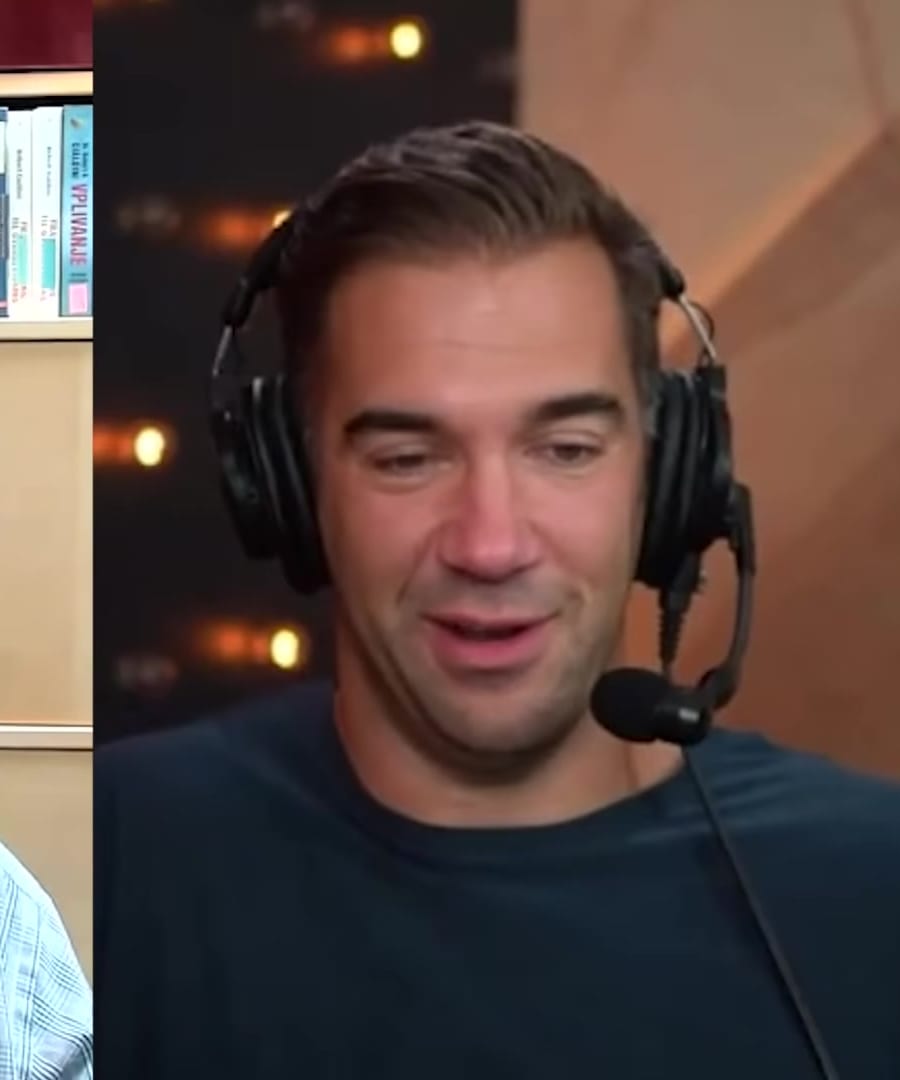


Episode Highlights
Authentic Authority
Building authentic authority is crucial for success, especially for those starting their careers or businesses. distinguishes between being "in authority," which involves holding a position of power, and "an authority," which is about having knowledge and experience 1. He emphasizes the importance of showcasing genuine credentials, such as diplomas and certifications, to establish credibility. shares an example of a hospital that increased patient compliance by displaying their staff's credentials, which enhanced their perceived authority 1.
You can't do it face to face, though. You can't sit down from somebody and say, Lewis, let me just tell you how great I really am.
---
agrees that subtle cues, like including initials in an email signature, can also boost authority 2.
Practical Applications
Practical applications of authority can significantly enhance influence and persuasion. advises using testimonials from credible sources prominently on websites to establish authority from the outset 3. He recounts a case with Bose Acoustics, where moving expert testimonials to the top of an ad increased sales by 15% 3.
If the experts are recommending something, it reduces your uncertainty. You don't have to sit on the fence anymore.
---
adds that effective communication strategies, like those used by his father in the insurance business, can build long-term, profitable relationships 4.
Authority vs Power
Understanding the distinction between authority and power is essential for effective influence. explains that being "in authority" relates to holding a hierarchical position, while "an authority" is about expertise and credibility 1. He highlights that genuine authority comes from knowledge and credentials, not just titles.
There's somebody who is an authority. That's the person I'm talking about. Somebody who's knowledgeable, somebody who has experience.
---
notes that showcasing one's expertise through subtle means, such as LinkedIn profiles, can effectively communicate authority without overt self-promotion 1.
Related Episodes


5 Psychological Tricks To READ ANYONE! | Evy Poumpouras & Chris Voss
Answers 383 questions

PSYCHOLOGICAL TRICKS To Be More Charismatic & Confident TODAY! | Vanessa Van Edwards
Answers 383 questionsThe PSYCHOLOGICAL TRICKS To Overcome Insecurity & Self-Doubt | Vanessa Van Edwards
Answers 383 questions
The Science Of PERSUASION To Get Anything You Want! |Derren Brown
Answers 383 questions
The KEY TO POWER Lies In Mastering These LAWS | Robert Greene & Lewis Howes
Answers 383 questions
Psychologist REVEALS How To Develop MASSIVE CONFIDENCE! | Amy Cuddy & Lewis Howes
Answers 383 questionsThe 3 PROVEN STRATEGIES To Influence Anyone & WIN ANY NEGOTIATION | Chris Voss
Answers 383 questions
These 5 HABITS Will Make You POWERFUL Beyond Belief | Simon Sinek & Lewis Howes
Answers 383 questions
The Soulful Art of Persuasion with Jason Harris and Lewis Howes
Answers 383 questions
Jordan Peterson REVEALS His 12 Rules That Will CHANGE YOUR LIFE! | Lewis Howes
Answers 383 questions
AFTER THIS You'll Change How You DO EVERYTHING | Tony Robbins & Lewis Howes
Answers 383 questions