Ryan Holiday on Overcoming Your Ego with Lewis Howes

Topics covered
Popular Clips




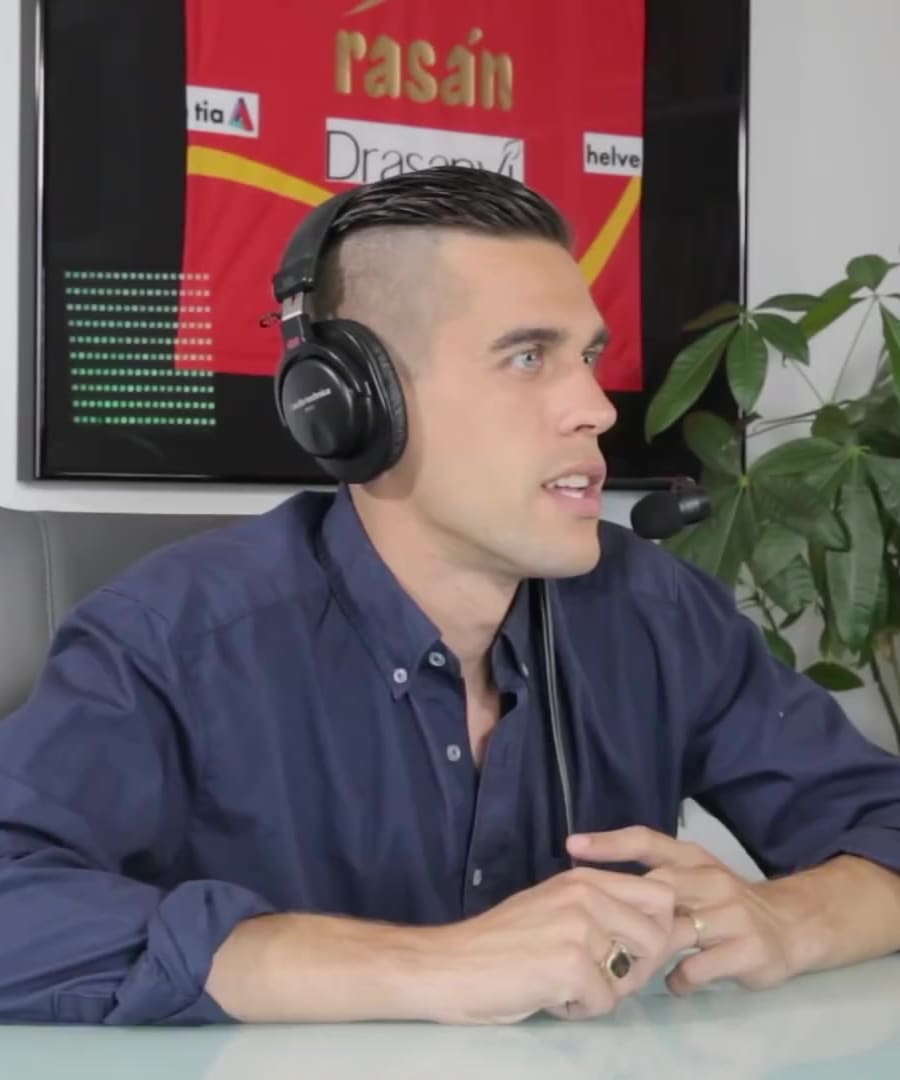


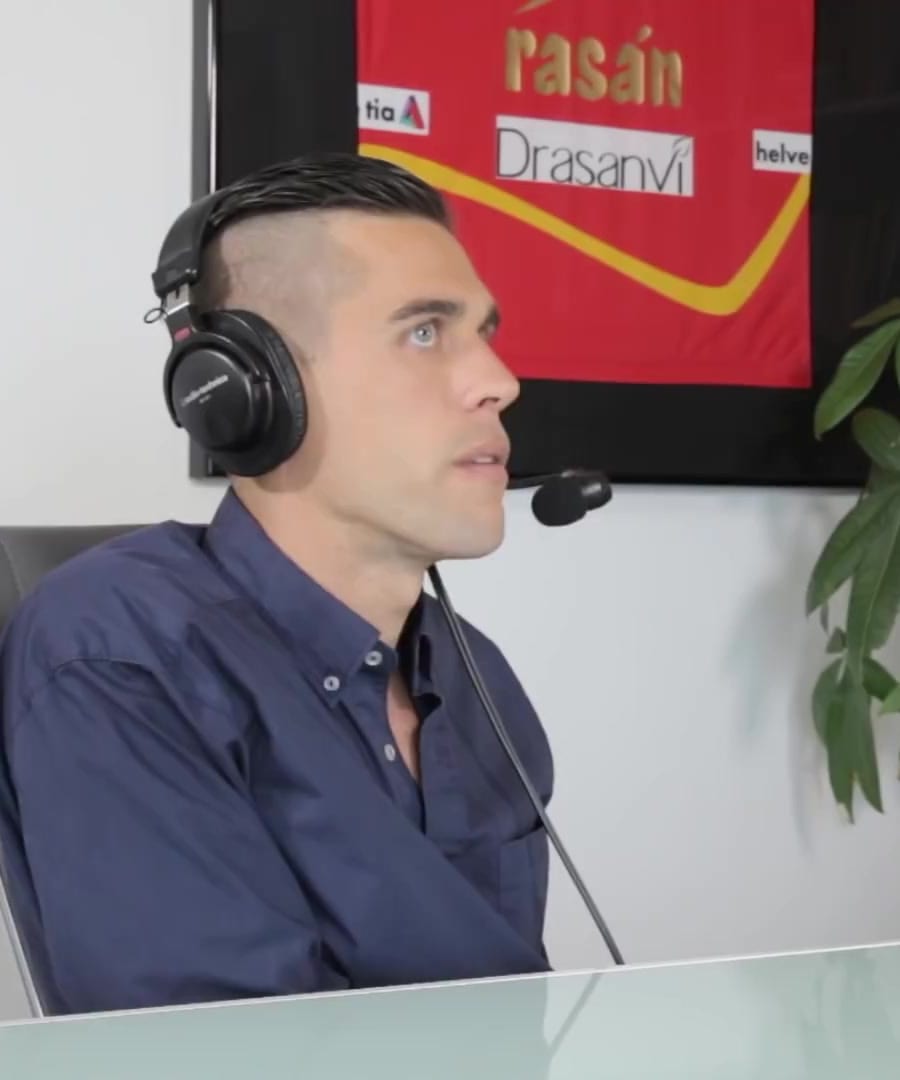
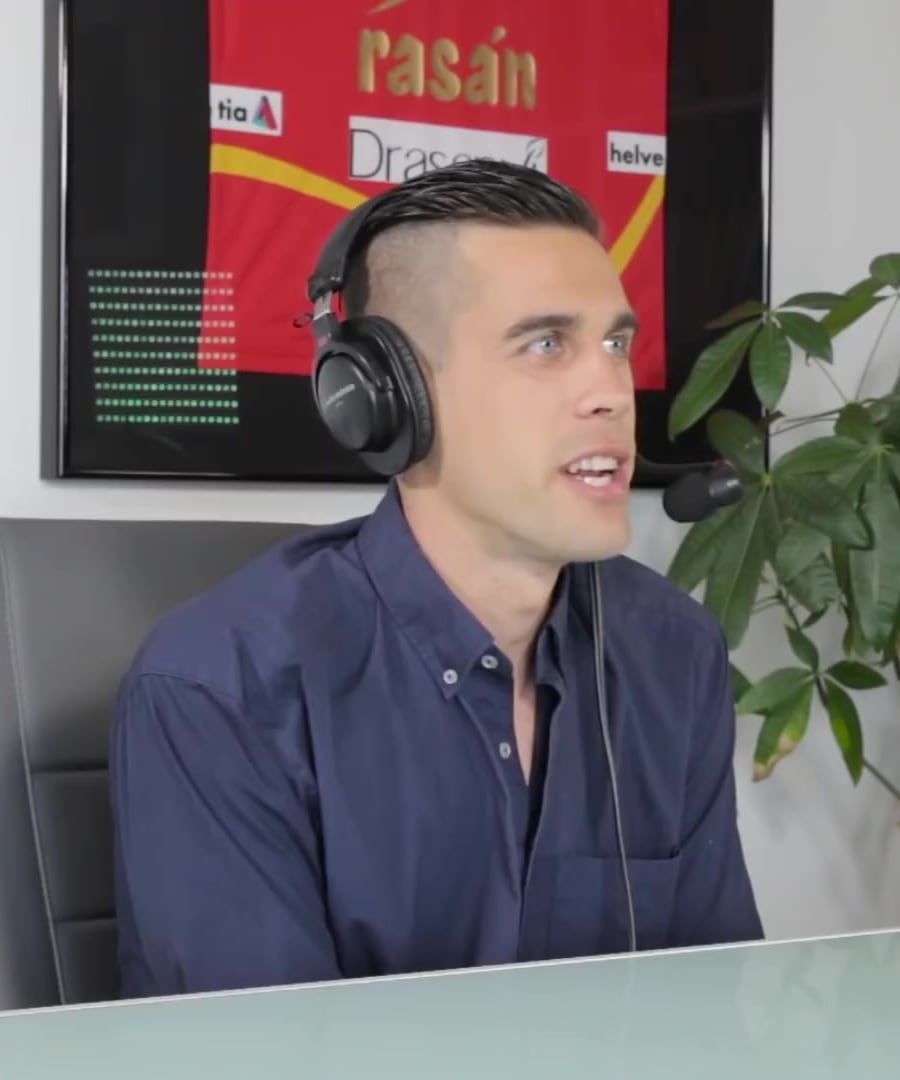


Questions from this episode
- Asked by 83 people
- Asked by 73 people
- Asked by 46 people
- Asked by 37 people
- Asked by 14 people
- Asked by 11 people
Episode Highlights
Purpose vs. Passion
argues that passion can be dangerous, often leading to extreme emotions like lust, greed, and anger. He believes that purpose is more sustainable and meaningful, as it provides a clear goal and direction. agrees, noting that passion is fleeting, while purpose drives consistent effort and achievement 1.
Purpose is better than passion. Passion is like, I like this. It feels good. I want to do this. Purpose is, here's what I'm trying to accomplish. Here's why it's important, and I'm not going to stop until it's done.
---
Holiday emphasizes that purpose requires not only love for an activity but also skill, smart decision-making, and planning 1.
Defining Purpose
Defining one's purpose involves setting clear goals and understanding the life you want to build. stresses the importance of having a model for success to avoid distractions and comparisons with others. adds that comparing oneself to personal progress rather than others is crucial for maintaining focus 2.
If you're doing this thing because it means something to you and you know exactly what success looks like for you, it's nice because then you're not as distracted by the fact that so and so is posting photos of them surrounded by $100 bills on Instagram.
---
Holiday also mentions that everyone faces their own battles, regardless of their apparent success 2.
Small Steps
Holiday advocates for thinking big but acting small to achieve significant goals. He explains that starting with small, manageable steps can lead to substantial changes over time. agrees, noting that overcommitting to grand ideas can lead to failure, whereas small steps allow for flexibility and adaptation 3.
The way to change the world is to start by changing some tiny thing. It's not having this frighteningly ambitious world-changing idea.
---
This approach helps avoid the pitfalls of overinvestment and allows for pivoting when necessary 3.
Related Episodes


Ryan Holmes on What Every Young Entrepreneur Needs to Know with Lewis Howes
Answers 383 questions
If You STRUGGLE With Self-Doubt WATCH THIS! | Rachel Hollis & Lewis Howes
Answers 383 questionsIf You Want To ACHIEVE YOUR GOALS In 2023, Overcome THESE 4 THINGS! | Lewis Howes
Answers 383 questions
Don Miguel Ruiz Jr. on Self Mastery with Lewis Howes
Answers 383 questions
How To ACHIEVE ANYTHING You Want & Live Your BEST LIFE! | Lewis Howes & Rory Vaden
Answers 383 questionsIf You're Feeling STRESSED & STUCK In Life, WATCH THIS! | Lewis Howes
Answers 383 questions6 Steps to OVERCOMING Self Doubt And CONQUERING Your Fears! | Lewis Howes
Answers 383 questionsWATCH THIS To Manifest Anything YOU WANT In Life! | Lewis Howes
Answers 383 questions
James Altucher: In Order To Be Successful You Must Do This | Lewis Howes
Answers 383 questions
Mike Tyson: The Mind and Journey of A Champion Fighter with Lewis Howes
Answers 383 questions
Les Brown: Overcome All Odds and Change the World (with Lewis Howes)
Answers 383 questions