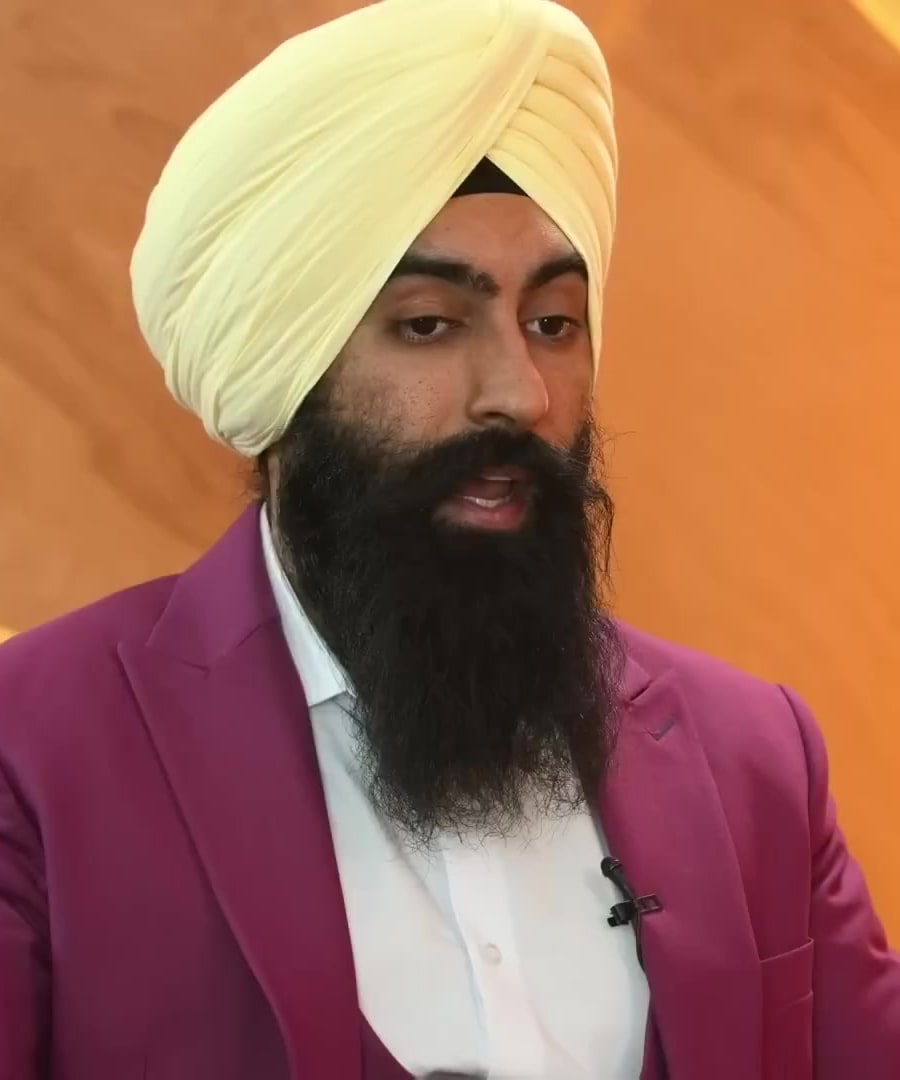
5-Step Formula To Invest In Your 30's To RETIRE In Your 50's - DO THIS TODAY! | Jaspreet Singh

Topics covered
Popular Clips




Questions from this episode
- Asked by 117 people
- Asked by 90 people
- Asked by 87 people
- Asked by 58 people
- Asked by 37 people
- Asked by 36 people
- Asked by 33 people
- Asked by 33 people
- Asked by 28 people
- Asked by 19 people
- Asked by 19 people
- Asked by 17 people
- Asked by 17 people
- Asked by 17 people
- Asked by 16 people
Episode Highlights
Passive Investing
emphasizes the accessibility of passive investing, highlighting its simplicity and effectiveness. He explains that investing in ETFs, such as VTI for the total stock market or SPY for the S&P 500, allows for diversification within the stock market without the need for constant monitoring 1. Jaspreet also stresses the importance of automatic, consistent investments regardless of market fluctuations 2.
The key here now is you invest when the market's up and down, you don't change it. So when you see the market crash happen, you don't stop. You keep investing. The only thing that you would change is potentially buy more.
---
This approach enables individuals to build wealth passively while focusing on other aspects of their lives.
Active Investing
Active investing, as described by Jaspreet, involves a more hands-on approach, requiring thorough research and analysis of individual companies. He notes that successful active investors, like Warren Buffett, dedicate significant time to studying financials and market trends 3. This method offers the potential for higher returns but demands a greater commitment of time and effort.
If you really want to succeed as an investor, you want to pick stocks, fine. Nothing wrong with it. But understand that it will take work if you really want to see the success.
---
Jaspreet contrasts this with passive investing, allowing individuals to choose their level of involvement based on their financial goals and personal preferences 4.
Investment Strategies
Jaspreet discusses various investment strategies that companies use to optimize profits and manage taxes. He explains that businesses often reinvest profits or buy back stocks to reduce taxable income, benefiting shareholders 5. This approach, however, can lead to increased debt and financial challenges during economic downturns.
When a business has cash in its bank account, there's three things that it can do with it. You can save some of that money for emergencies. You can spend that money back in the business, reinvest back into hiring employees, hire more employees, open your new manufacturing.
---
Jaspreet also highlights the impact of high inflation and rising interest rates on the economy, noting that these factors can slow economic growth and create uncertainties for investors 6.
Related Episodes


The BIGGEST LIES You've Been Told About Money That KEEP YOU POOR! | Jaspreet Singh
Answers 383 questions

How to Create a Financially ABUNDANT Life | Lewis Howes
Answers 383 questions
How To Use The Recession To Get Rich In 2023 | Tony Robbins & Lewis Howes
Answers 383 questions
Your Next 5 STEPS To Escape The Rat Race & BUILD WEALTH | Dave Ramsey & Lewis Howes
Answers 383 questions
6 PASSIVE INCOME SECRETS To Make Money TODAY! | Rory Vaden & Lewis Howes
Answers 383 questions
Be Financially Free and Pay Yourself First with David Bach and Lewis Howes
Answers 383 questions
The RICH Habits You Need To Become A MILLIONAIRE In 2023 | Lewis Howes
Answers 383 questionsIf You Want to Get Rich in 2025, Watch This!
Answers 383 questions
Key Wealth Secrets to Unlock Your Mind & Attract Money (Anyone Can Do This!)
Answers 383 questions