ALL SUCCESSFUL People Break THESE BAD HABITS |Dr. Jud Brewer & Lewis Howes

Topics covered
Popular Clips









Questions from this episode
- Asked by 378 people
- Asked by 73 people
- Asked by 70 people
- Asked by 69 people
- Asked by 65 people
- Asked by 61 people
- Asked by 54 people
- Asked by 43 people
- Asked by 37 people
- Asked by 30 people
- Asked by 29 people
- Asked by 29 people
- Asked by 29 people
- Asked by 25 people
- Asked by 24 people
Episode Highlights
Habit Mechanics
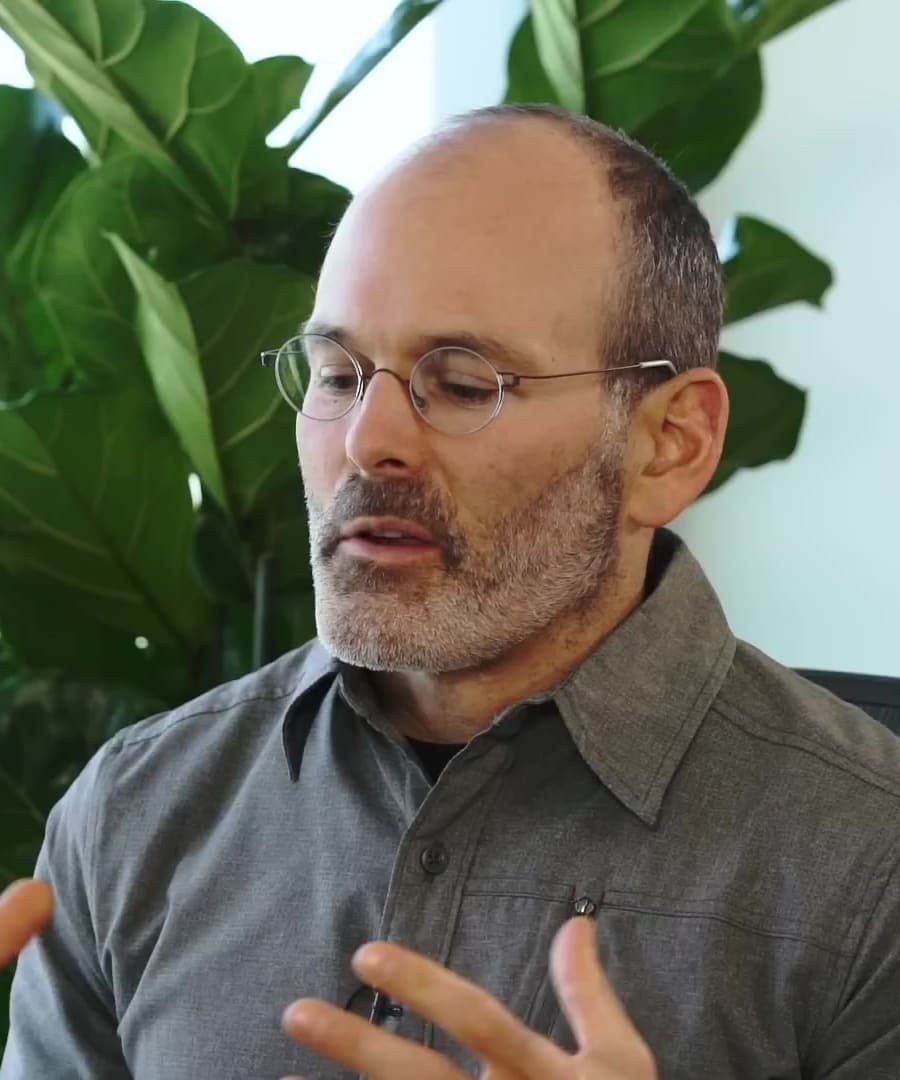
Dr. Jud Brewer explains the mechanics of habits, emphasizing the role of experience in driving change. He highlights how curiosity can hack cravings by exploring the sensations they create in the body. This approach helps individuals understand and manage their cravings more effectively.
Oh, what does this craving feel like in my body? And we flip the valence from this closed down feature. Feeling of craving, being caught up in a craving to, oh, wow, this feels like tightness or tension or, you know, I'm feeling my hand move to my phone to click on, you know, click on the food eating app or whatever. Oh, wow, wow. And we can just explore our experience in that moment.
---
He also discusses the basic learning principles that underpin habits, such as the trigger-behavior-reward cycle, which is essential for survival but can lead to addictive behaviors in modern contexts 1 2.
Personal Addictions
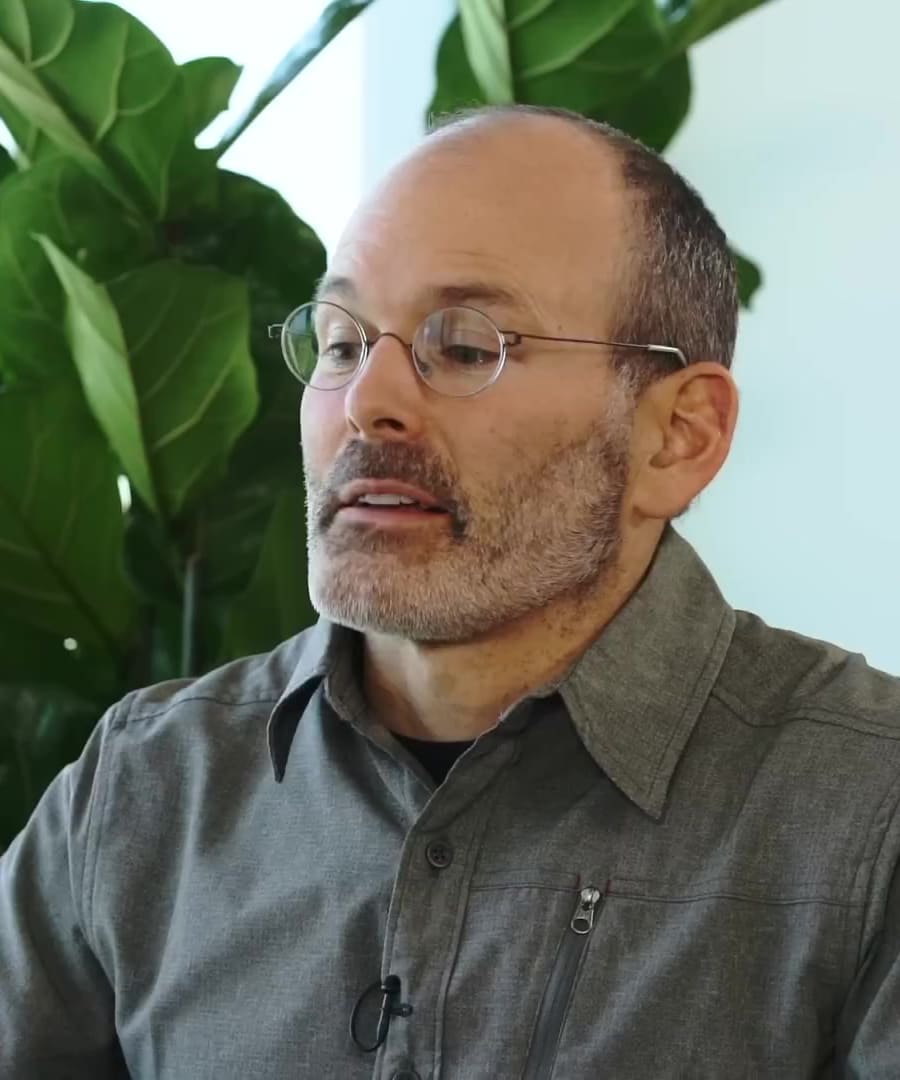
Jud shares his personal struggles with various addictions, including thinking, love, and exercise. He emphasizes that while his addictions are better managed now, they are not completely gone. This highlights the ongoing nature of managing addictive behaviors.
Let's just say that my addictions are much better. I wrote a whole book about all my different addictions, from thinking to love to distraction to whatnot.
---
He also discusses the concept of being addicted to the chase, where the excitement of pursuit can overshadow the actual relationship or activity 3 4.
Mental Health Impacts
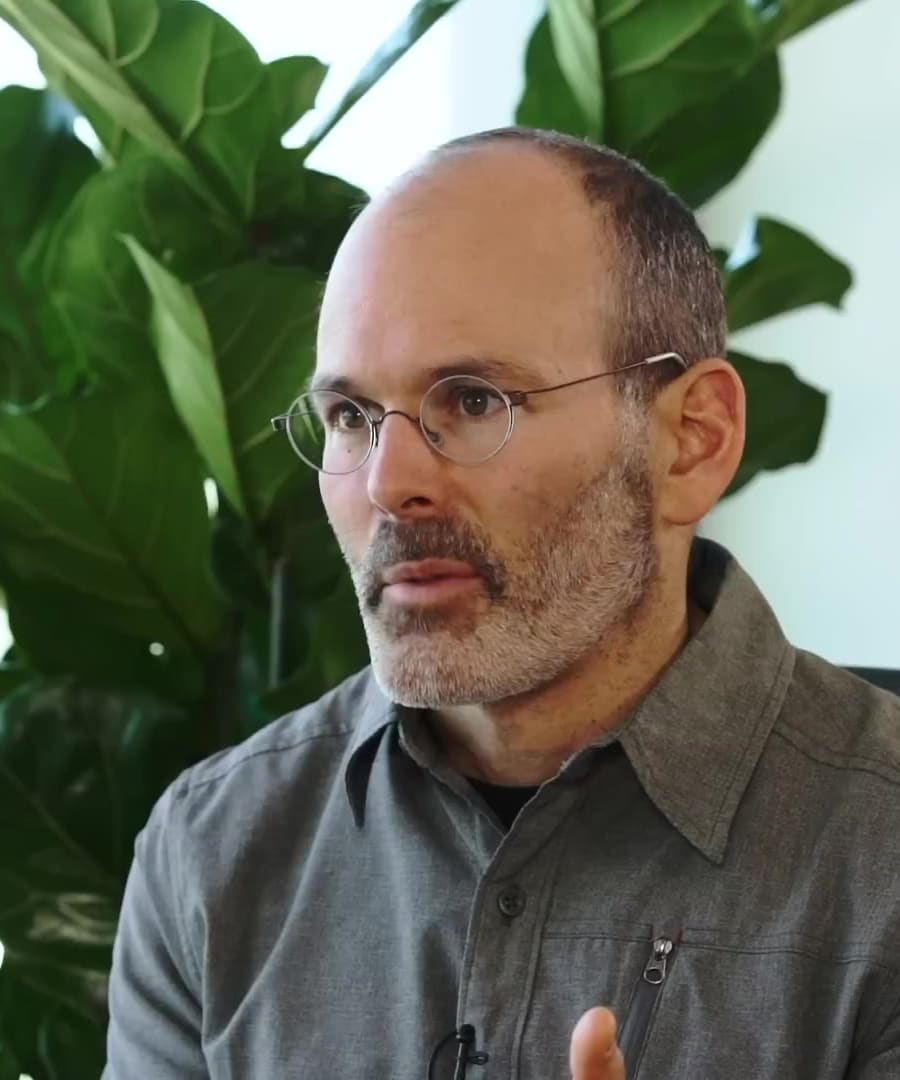
The connection between habits and mental health is crucial, as Jud explains. He argues that mental health and disease are often defined by our relationship to our experiences. By changing how we relate to our thoughts and feelings, we can improve our mental well-being.
So think of life as a mental dis ease, as a not in ease, not not easeful. That extends, I think, to what you're describing in terms of mental illness, so to speak.
---
Jud also highlights the importance of focusing on mental health to bring our minds back into a state of balance, thereby reducing the impact of negative habits 5 6.
Related Episodes

11 Habits To DESTROY NEGATIVE Thoughts & Find TRUE HAPPINESS! | Lewis Howes
Answers 383 questions
Jack Canfield on How to Break an Addiction in 30 Days - with Lewis Howes
Answers 383 questions

The POWERFUL TIPS For Behavior & HEALTHY HABITS Shift | Lewis Howes
Answers 383 questions
"ORIGINAL THINKERS All Share This ONE HABIT For SUCCESS!" | Adam Grant & Lewis Howes
Answers 383 questionsMY MINDSET HACKS FOR A GREATER LIFE | LEWIS HOWES
Answers 383 questionsJohn Assaraf on Unlocking Your Brain's Full Potential with Lewis Howes
Answers 383 questions
The 3 WAYS To OVERCOME ANXIETY & Deal With STRESS | Judson Brewer & Lewis Howes
Answers 383 questions
The KEY HABITS All Successful People Have In COMMON! | Austin Kleon & Lewis Howes
Answers 383 questions