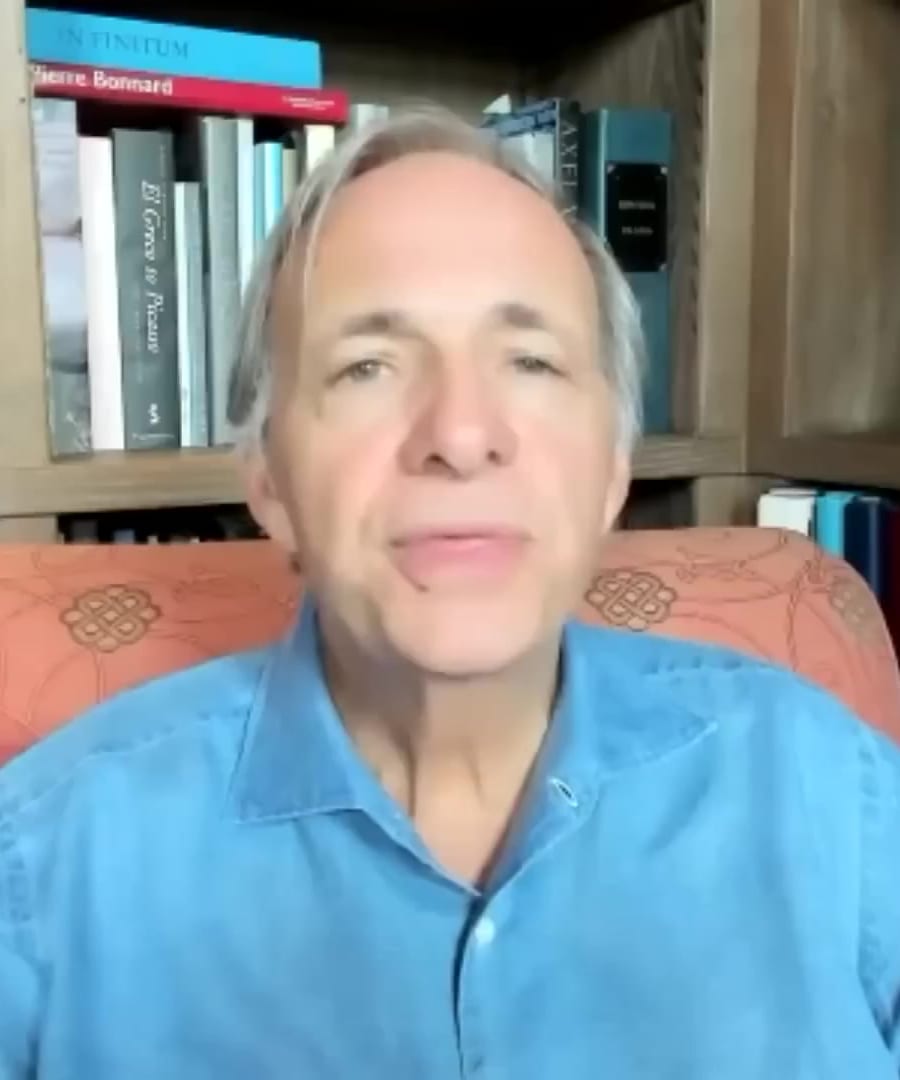
“People DON’T KNOW What’s Coming!” Prepare For The CHANGING WORLD ORDER | Ray Dalio

Topics covered
Popular Clips




Questions from this episode
- Asked by 135 people
- Asked by 59 people
- Asked by 41 people
- Asked by 36 people
- Asked by 35 people
- Asked by 32 people
- Asked by 28 people
- Asked by 24 people
- Asked by 22 people
- Asked by 19 people
- Asked by 18 people
- Asked by 18 people
- Asked by 17 people
- Asked by 15 people
Episode Highlights
World Order
introduces the concept of world order cycles, explaining how empires rise and fall over time. He describes these cycles as periods where dominant powers set global rules, often following major conflicts like World War II, which established the United States as a leading power 1. This dominance, however, comes with challenges such as wealth gaps and increased indebtedness, which can eventually lead to a decline in power.
It's the reason why the United Nations is in New York and the IMF and the World Bank in Washington, DC. It was the American world order because it was dominant power.
---
Dalio emphasizes that these cycles are inevitable and understanding them is crucial for predicting future shifts in global power dynamics.
Power Struggles
Power struggles and wealth inequalities often lead to both internal and external conflicts, according to . He notes that as countries become dominant, they face challenges such as increased debt and generational shifts, which can lead to decadence and poor investments 2. This internal strife is mirrored on the global stage, where countries align based on economic and military interests, sometimes leading to conflicts.
The idea of democracy is compromise and reaching across, that the law and the rule is of a higher purpose than anything else.
---
Dalio warns that without compromise, these tensions can escalate into larger conflicts, both within and between nations 3.
China's Rise
China's rise as a global power is a key example of economic transformation, as explains. Since 1984, China's per capita income has increased significantly, and its poverty rate has plummeted, making it a formidable competitor to the USA 4. This transformation has led to shifts in global power dynamics, with China now playing a crucial role in international affairs.
Since 1984, when I first started, per capita income has increased by 26 times. The poverty rate by. Measured by hunger, went from 88% to less than 1%.
---
Dalio highlights the potential for conflict as countries like China and the USA navigate their positions in the global hierarchy 5.
Related Episodes


BIG ALERT: How To Prepare For The CHANGING WORLD ORDER That Has Begun! | Ray Dalio
Answers 383 questionsPrinciples For Dealing With The CHANGING WORLD ORDER! (How To Prepare) | Ray Dalio
Answers 383 questions
"These LAWS OF POWER Will Change Your Future!" | Robert Greene
Answers 383 questions
The 7 MONEY Habits To Help You Prepare For A RECESSION | Lewis Howes
Answers 383 questions"I Got RICH When I Understood THIS..."| Tony Robbins & Lewis Howes
Answers 383 questionsAFTER THIS You'll Change How You DO EVERYTHING | Tony Robbins & Lewis Howes
Answers 383 questions
Your Next 5 STEPS To Escape The Rat Race & BUILD WEALTH | Dave Ramsey & Lewis Howes
Answers 383 questions
"How To Create A NEW LIFE For Yourself..." | Dhar Mann and Lewis Howes
Answers 383 questions
Jordan Peterson REVEALS His 12 Rules That Will CHANGE YOUR LIFE! | Lewis Howes
Answers 383 questionsIf You Want To Become A Millionaire WATCH THIS! | Dave Ramsey & Lewis Howes
Answers 383 questions